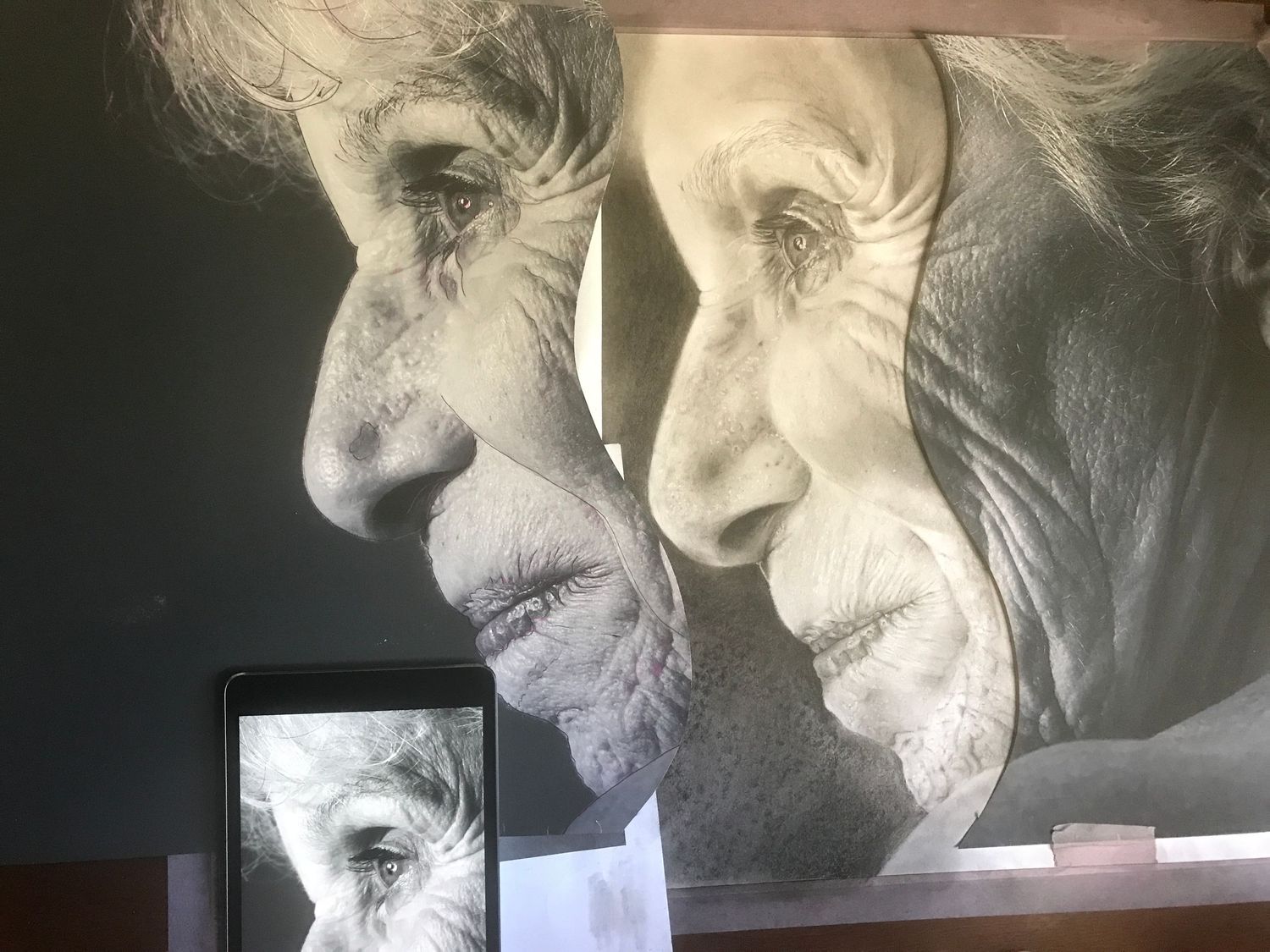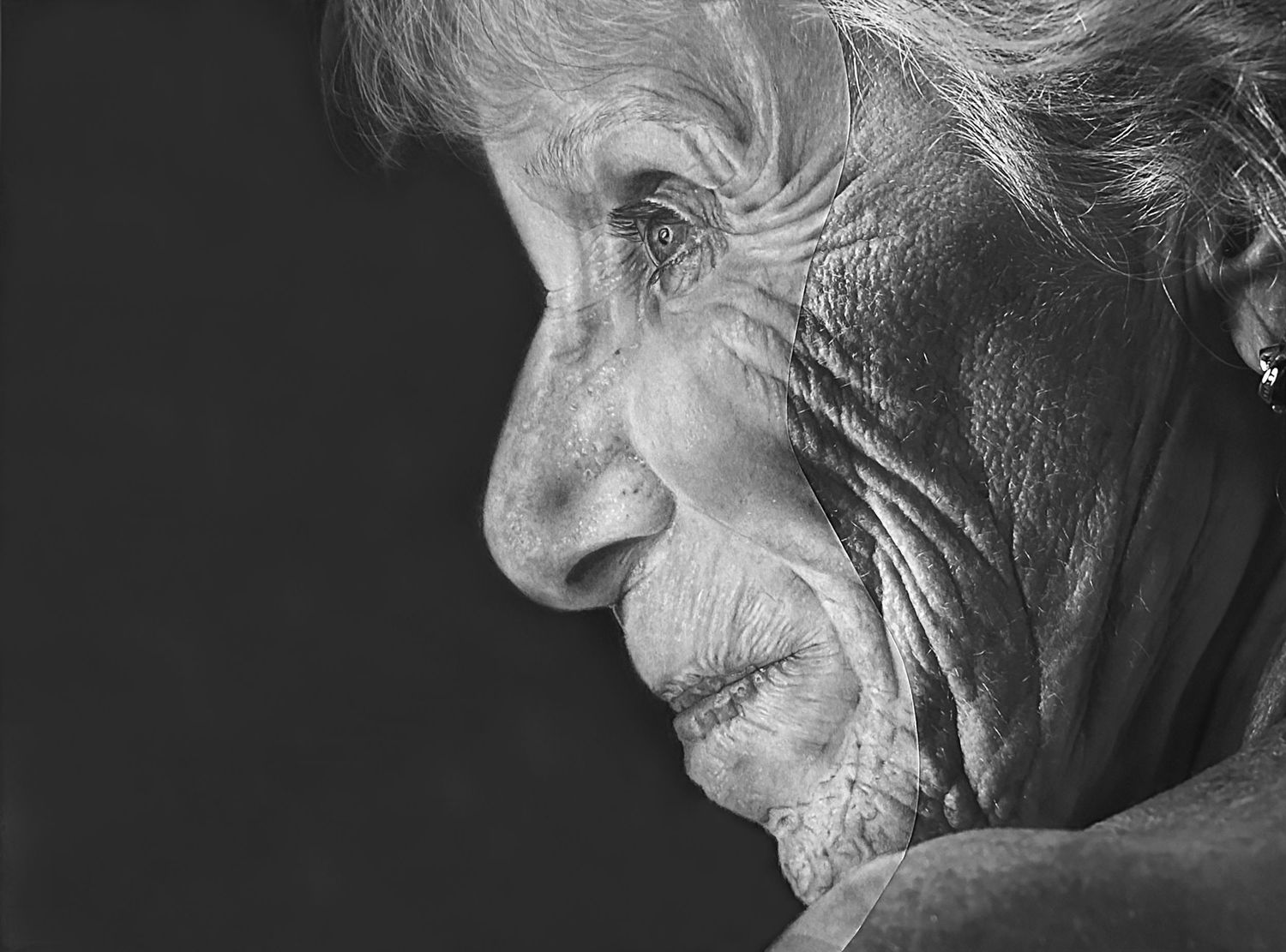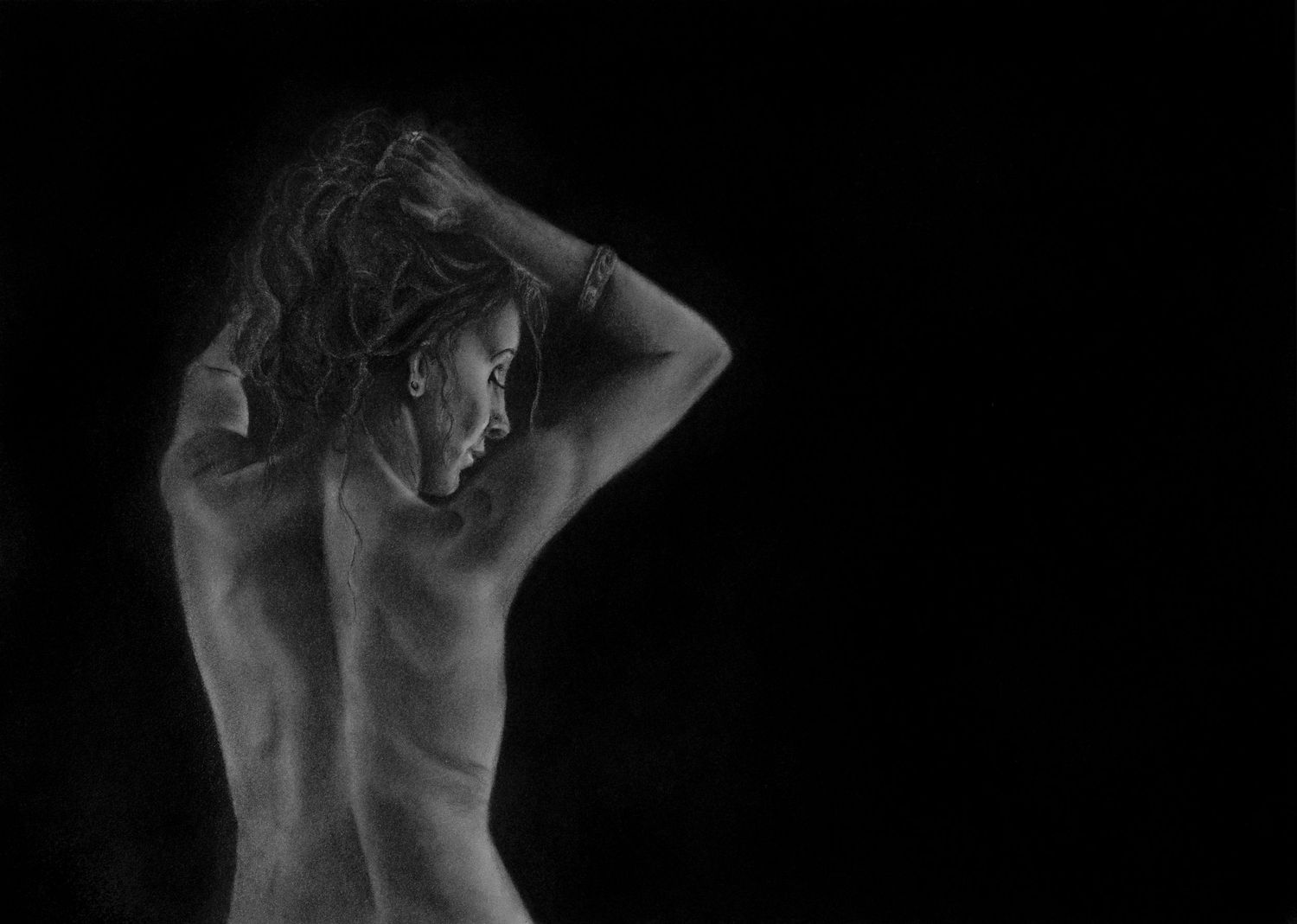
Photographing art is an act of interpretation as much as documentation. It’s about honoring the work while making thoughtful choices about light, angle, and framing to communicate its texture, scale, and presence. Whether capturing a painting, a sculpture, or a handmade object, the goal is to create an image that feels true to the piece—while also being visually compelling on its own. Attention to detail matters: even lighting, clean edges, and a neutral background can help the work stand out, while more creative approaches can highlight mood or context. In either case, photographing art is a quiet collaboration between the maker and the lens.
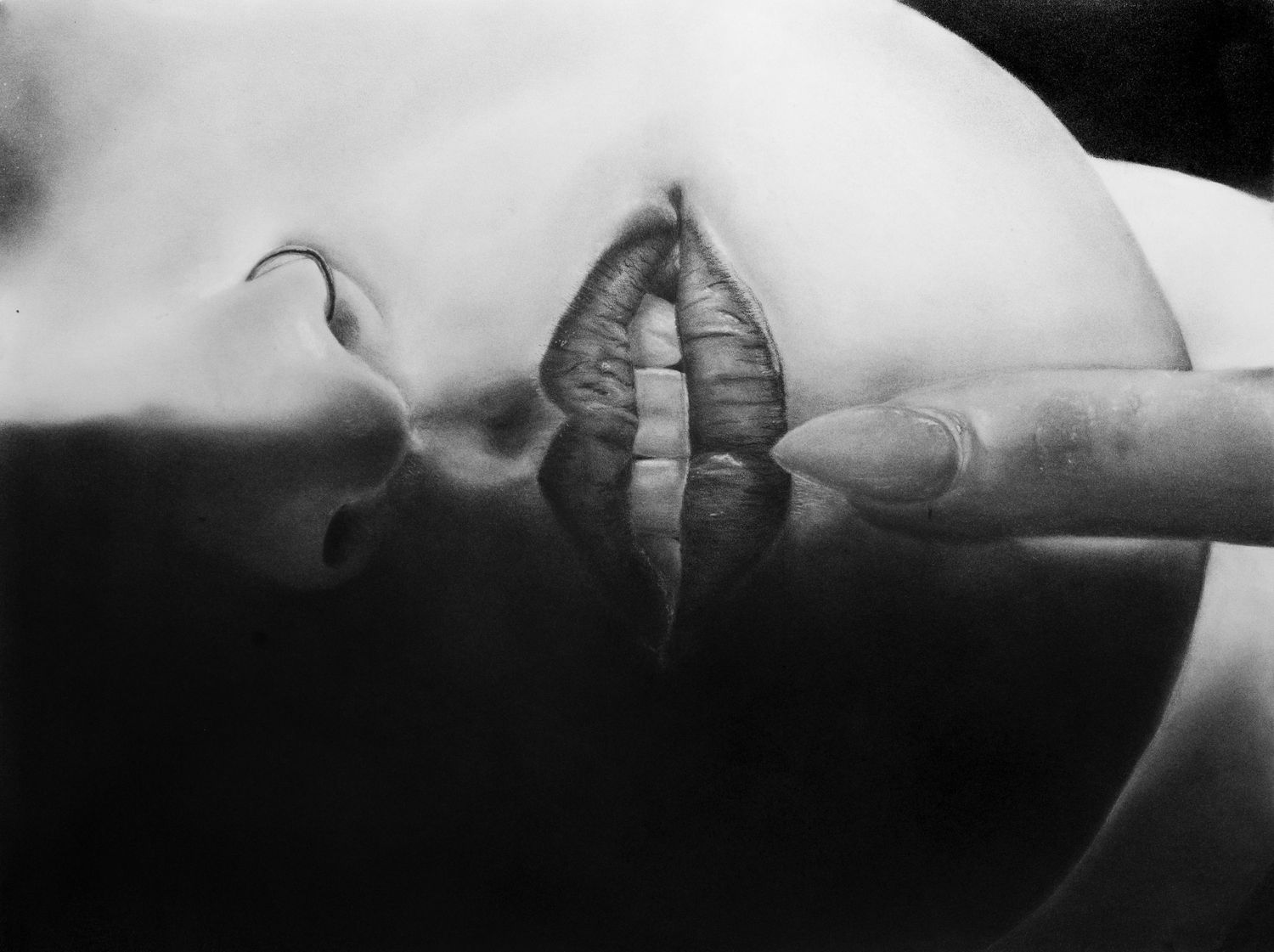
When photographing artwork, accurate white balance is essential to preserving the integrity of the piece. Colors that look slightly off in a photo—too warm, too cool, too green—can misrepresent the artist’s intention and affect how the work is perceived. Natural light is often ideal, especially indirect daylight, as it produces even, neutral tones. But when using artificial lighting, it’s important to adjust your white balance settings to match the light source or use a gray card for more precision. The goal is to capture the artwork as it truly is—without unwanted color shifts—so that viewers see the piece as the artist intended.